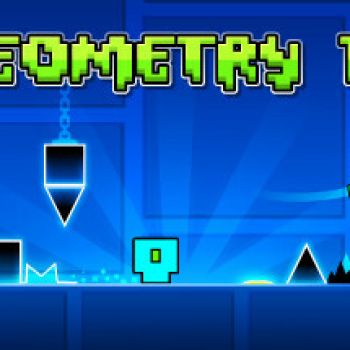
Overview of Geometry Dash
Geometry Dash is a rhythm based platformer that challenges players to navigate a series of obstacles that move in time with a musical track. The visual style is simple yet vibrant, relying on geometric shapes and bright colors to create a fast paced experience. Each level is designed as a continuous flow of jumps, slides and timing challenges that require precise input and a good sense of rhythm. The game appeals to players who enjoy quick reflex tests and the satisfaction of mastering a difficult sequence.
Getting Started and Early Progress
New players should begin by exploring the introductory stages that gradually introduce the core mechanics. These early levels are crafted to teach the timing of jumps and the use of basic movement without overwhelming the player. It is advisable to watch the movement of the obstacles closely and to listen to the accompanying music, as the beat often signals the optimal moment to act.
Developing a Consistent Rhythm
Because the game is built around musical timing, developing a consistent rhythm is essential. Players can improve by playing the same level repeatedly until the pattern becomes familiar. Repetition helps the brain anticipate the next obstacle and reduces the need for split second decision making.
Managing Frustration and Building Patience
Geometry Dash is known for its challenging nature. It is common to fail many times before achieving a successful run. Maintaining a calm mindset and taking short breaks after several attempts can prevent fatigue and keep reaction times sharp. Remember that each failure is an opportunity to learn the exact point where timing was off.
Practical Gameplay Guidance
The game does not rely on complex button combinations. The primary action is a single input that causes the character to jump or perform a short dash depending on the obstacle. Players should focus on the following general strategies:
- Observe the pattern of spikes, moving blocks and gaps before attempting a jump.
- Align the jump with the beat of the music to increase the chance of success.
- Keep the character centered on the screen to give yourself maximum reaction time.
- When a level feels too fast, slow down mentally by counting beats out loud or tapping a foot.
- Use the practice mode, if available, to place checkpoints and practice difficult sections without starting from the beginning each time.
Replay Value and Community Appeal
Geometry Dash offers a high degree of replay value. The simple visual design means that each run feels fresh, and the satisfaction of improving a personal best time drives many players to return. The community around the game often shares custom levels that increase the variety of challenges beyond the built in stages. Exploring user created content can extend the life of the game for months.
Players who enjoy competing with friends can compare completion times and share tips on social platforms. The competitive aspect is informal but adds an extra layer of motivation to master difficult sections.
Frequently Asked Questions
Is Geometry Dash suitable for beginners?
Yes, the game includes introductory stages that teach the basic timing and movement mechanics. Beginners can start with these levels and gradually progress to more demanding sections as their skill improves.
What devices can I play Geometry Dash on?
The game is available on personal computers and mobile platforms. It runs smoothly on most modern hardware and does not require high performance specifications.
How can I improve my success rate?
Practice is the most effective method. Repeating the same level allows you to memorize obstacle patterns and align your actions with the music. Taking short breaks between attempts helps maintain focus.
Are there additional levels beyond the original set?
Yes, the game includes a level editor that allows players to create and share their own challenges. Accessing community created levels provides a constant stream of new content.
What should I do if I feel stuck on a particular section?
Try watching a video of another player completing the section to see the timing they use. You can also experiment with slowing down the music in your mind to better understand the rhythm required.