
Klondike Solitaire
 Snow Plow
 Drive Quest
 Block Blast 3D
 Worming from Home
 Golf Hit
 garten of banban
 Klondike
 Spider
 FreeCell
 Klondike Turn 3
 Canfield Solitaire
 Master Chess
 Tripeaks
 Pyramid
 Spider Solitaire 2 Suits
 Klondike Solitaire Turn 3
 Solitaire Turn 3
 Mahjong Solitaire
 Spider Solitaire One Suit
 FreeCell Solitaire
 Solitaire Farm: Seasons
 Forty Thieves Solitaire
 Casino
 Classic FreeCell
 Ocean Solitaire
 Spider Solitaire 4 Suits
 Tripeaks Solitaire
 Solitaire 2022
 Cats Solitaire
 Daily Challenges
 Vintage Solitaire
 Classic 2 Tripeaks
 Flowers Solitaire
 Classic Solitaire
 Pyramid Solitaire
 Season Solitaire
 Dinosaurs Klondike
 Dinosaurs Spider
 Ocean Pyramid
 Candy Mahjong
 Algerian Patience
 Spite and Malice
 Vintage 1 Spider
 Nature Spider
 Vacation Klondike
 Flower wall FreeCell
 Season FreeCell
 Solitaire Social
 Yukon Solitaire
 Vintage FreeCell
 Spider Solitaire Blue
 Dinosaurs Tripeaks
 Mr Bean Solitaire Adventures
 Solitaire Legend
 Solitaire Grande
 Above And Below Solitaire
 Euchre
 Aces Up Solitaire
 Daily Solitaire Blue
 Bridge Card Game
 Bookworm
 Chinese Solitaire
 Solitaire Seasons
 Totem Solitaire
 Daily Solitaire
 One Cell
 Blackjack King
 Wolf Simulator
 Poker World
 3 Keys Solitaire
 Eliminator Solitaire
 Classic Spider Solitaire
 Crescent Solitaire
 Beetle Solitaire
 Glow Solitaire
 FreeCell Solitaire Classic
 Solitaire Story TriPeaks 3
 Triple Jack
 Jewel Christmas Story
 Stacktris 2048
 Golf Solitaire
 Among Cars
 Minesweeper Mania
 Spider Classic
 Best Classic Mahjong Connect
 Kings and Queens Solitaire Tripeaks
 Caribbean Stud Poker
 Solitaire Story Tripeaks 2
 Best Classic Solitaire
 Classic Solitaire Deluxe
 Scorpion Solitaire
 Golf Easy
 Simple Simon
 Doodle Baseball
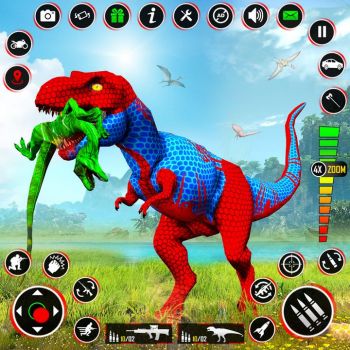 Dinosaur Game 3d
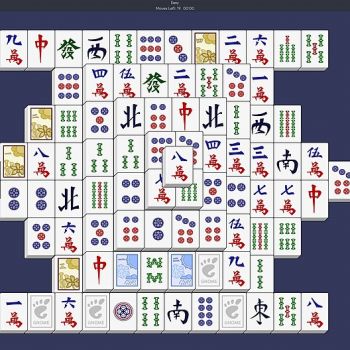 Mahjongg Solitaire
 Block Blast
 Prop Hunt
 Iron Snout
 Spider Solitaire
 Penalty Shooters 2
 Candy Crush
 Escape The Backrooms
 Happy Glass
 Mahjong
 Slope
Overview of Klondike Solitaire
Klondike Solitaire is one of the most recognizable and enduring card games in the world of casual gaming. It is often the first solitaire experience that new players encounter and it remains a favorite for seasoned enthusiasts. The game uses a standard deck of fifty two playing cards and challenges the player to arrange all cards in a specific order using a combination of skill and patience.
The appeal of Klondike lies in its simple premise and the deep strategic possibilities that emerge as the game progresses. Each session offers a fresh layout, which means that no two games are exactly alike. This variability creates a compelling reason to return to the game again and again, whether you are looking for a quick distraction or a longer, more thoughtful session.
How to Play and Basic Strategies
When a new game begins, the cards are dealt into seven columns. The first column receives one card, the second column receives two cards, and so on until the seventh column contains seven cards. Only the top card of each column is face up and available for play. The remaining cards form the stock pile, which can be drawn from as needed.
The objective is to move all cards to four foundation piles, one for each suit, in ascending order from ace to king. Foundations are built by suit, so a heart ace must be followed by the heart two, then the heart three, and so on. The tableau columns can be built in descending order and must alternate colors. For example, a black queen can be placed on a red king.
One of the most effective early strategies is to uncover hidden cards as quickly as possible. This often involves moving cards from the tableau to the foundations whenever the move does not block future options. It is also wise to keep a balanced distribution of cards across the tableau, avoiding the concentration of many high cards in a single column.
When drawing from the stock pile, consider the impact of each card on the current layout. If the game allows multiple passes through the stock, it is beneficial to plan several moves ahead before committing to a particular draw. This foresight reduces the likelihood of getting stuck with an unplayable hand.
Tips for Improving Your Game
Patience is a core element of success in Klondike Solitaire. Rushing through moves often leads to missed opportunities. Take a moment to scan the entire board before making a decision. Look for potential sequences that can free up face down cards.
Another useful habit is to prioritize moving cards to the foundations only when it does not limit future moves. In some situations, keeping a card in the tableau can enable a longer chain of moves that ultimately clears more cards.
When you have a choice between two possible moves, select the one that reveals a hidden card. Uncovering a face down card creates new possibilities and can change the direction of the game.
It is also helpful to remember that the game is forgiving in the sense that you can undo a move if the platform provides that feature. Use this option sparingly and only when you are certain that the original move was detrimental.
Practicing regularly will naturally improve your intuition for the game. Over time you will develop a sense for which cards are most valuable to move early and which can wait.
Frequently Asked Questions
What is the main goal of Klondike Solitaire?
The main goal is to move every card from the tableau and stock pile to the four foundation piles, arranging each suit in ascending order from ace to king.
Can I play Klondike Solitaire without an internet connection?
Yes, many versions of the game are available as offline applications, allowing you to enjoy the game without a network connection.
How many passes through the stock pile are typically allowed?
The number of passes varies depending on the specific version you are playing. Some versions allow unlimited passes while others limit the number to one or three.
Is there a way to track my progress or improve my score?
Many platforms provide a scoring system that rewards quick completion and efficient moves. Keeping an eye on your score can motivate you to refine your strategy.
What should I do if I reach a point where no moves are possible?
If you encounter a dead end, consider resetting the game and trying a new layout. Each new deal offers a fresh set of possibilities and can help you practice different approaches.