Four Colors
 Puppet Master
 Pizza Maker
 8 Ball Pool
 Street Fighter II
 Helix Jump
 Soccer Kick
 Klondike
 Spider
 FreeCell
 Klondike Turn 3
 Canfield Solitaire
 Master Chess
 Tripeaks
 Pyramid
 Spider Solitaire 2 Suits
 Klondike Solitaire Turn 3
 Solitaire Turn 3
 Mahjong Solitaire
 Spider Solitaire One Suit
 FreeCell Solitaire
 Solitaire Farm: Seasons
 Forty Thieves Solitaire
 Casino
 Classic FreeCell
 Ocean Solitaire
 Spider Solitaire 4 Suits
 Tripeaks Solitaire
 Solitaire 2022
 Cats Solitaire
 Daily Challenges
 Vintage Solitaire
 Classic 2 Tripeaks
 Flowers Solitaire
 Classic Solitaire
 Pyramid Solitaire
 Season Solitaire
 Dinosaurs Klondike
 Algerian Patience
 Dinosaurs Spider
 Ocean Pyramid
 Candy Mahjong
 Spite and Malice
 Vintage 1 Spider
 Nature Spider
 Vacation Klondike
 Flower wall FreeCell
 Season FreeCell
 Solitaire Social
 Yukon Solitaire
 Vintage FreeCell
 Spider Solitaire Blue
 Dinosaurs Tripeaks
 Mr Bean Solitaire Adventures
 Solitaire Legend
 Above And Below Solitaire
 Daily Solitaire Blue
 Solitaire Grande
 Aces Up Solitaire
 Bridge Card Game
 Euchre
 Bookworm
 Chinese Solitaire
 Solitaire Seasons
 Daily Solitaire
 Totem Solitaire
 One Cell
 Blackjack King
 Wolf Simulator
 Poker World
 3 Keys Solitaire
 Eliminator Solitaire
 Classic Spider Solitaire
 Crescent Solitaire
 Beetle Solitaire
 Glow Solitaire
 FreeCell Solitaire Classic
 Solitaire Story TriPeaks 3
 Triple Jack
 Jewel Christmas Story
 Stacktris 2048
 Golf Solitaire
 Among Cars
 Best Classic Mahjong Connect
 Minesweeper Mania
 Spider Classic
 Kings and Queens Solitaire Tripeaks
 Caribbean Stud Poker
 Solitaire Story Tripeaks 2
 Best Classic Solitaire
 Classic Solitaire Deluxe
 Scorpion Solitaire
 Golf Easy
 Simple Simon
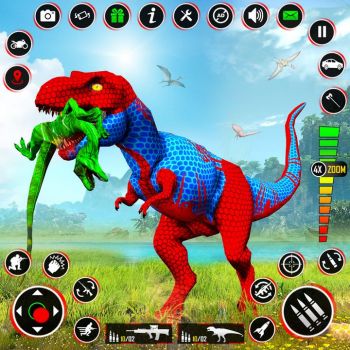 Dinosaur Game 3d
 Penalty Shooters 2
 Mahjongg Solitaire
 Doodle Baseball
 Block Blast
 Prop Hunt
 Iron Snout
 Spider Solitaire
 Klondike Solitaire
 Candy Crush
 Happy Glass
 Escape The Backrooms
 Mahjong
Overview of Four Colors
Four Colors is a puzzle experience that challenges the mind with a simple yet deep colour based mechanic. The visual style relies on a limited palette of four distinct hues, each playing a role in the progression of each level. Players are invited to think ahead, recognise patterns and manipulate the board in order to achieve the goal set by the game. The design encourages repeated attempts, as each puzzle offers a fresh arrangement that tests strategic thinking.
The appeal of Four Colors lies in its elegant simplicity. By restricting the visual elements to four colours, the game creates a clear focus for the player. This minimalistic approach allows newcomers to grasp the basic idea quickly while still providing enough depth to keep seasoned puzzle enthusiasts engaged. The lack of complex narrative or elaborate controls means that the core challenge remains at the forefront of the experience.
Approaching the Puzzle
When first entering a level, take a moment to observe the placement of each colour. Identify any clusters that already form a complete set and note any isolated tiles that may require extra moves. Understanding the initial layout is essential before making the first action.
Consider the relationship between colours. In many puzzles of this type, matching two tiles of the same colour can create a larger block that may interact with surrounding pieces. Look for opportunities to combine smaller groups into a larger formation that can be cleared more efficiently.
Patience is a valuable ally. Rushing through a level often leads to unnecessary mistakes. Instead, plan each move as if it were part of a chain reaction. A well placed action can open multiple pathways for future moves.
General Guidance for New Players
Start with the easier stages if the game offers a difficulty selection. These early puzzles serve as a tutorial, allowing you to become comfortable with the colour dynamics. As confidence grows, gradually move to more demanding levels where the board may contain fewer obvious matches.
Use the undo feature if it is available. Undoing a move provides a chance to experiment without penalty and helps you discover alternative strategies. Even without an undo option, you can often reset a level to try a different approach.
Developing a Personal Strategy
Some players prefer to focus on clearing one colour completely before turning attention to the next. Others find success by alternating between colours to keep the board balanced. Experiment with both methods to discover which style aligns with your thinking pattern.
Keep an eye on the edges of the board. Tiles placed near the border often have fewer neighbours, making them harder to incorporate into larger groups. Prioritising edge pieces can prevent them from becoming obstacles later in the puzzle.
Replay Value and Community Interaction
Four Colors offers a high replay value due to the variety of board configurations. Even after completing a level, returning to it with a different approach can reveal new solutions and improve personal bests. Many players enjoy tracking the number of moves taken to solve each puzzle, aiming to beat their own records.
Engaging with fellow enthusiasts can enhance the experience. Sharing strategies on forums or social platforms provides fresh perspectives and may introduce you to techniques you have not considered. Community challenges, such as completing a set of levels within a limited number of moves, add an extra layer of competition.
Frequently Asked Questions
What is the main objective in Four Colors?
The primary goal is to arrange the coloured tiles so that they satisfy the condition set by each level, typically involving the creation of uniform colour groups or clearing the board of a specific hue.
Can I play Four Colors on multiple devices?
The game is designed to be accessible on a range of platforms. Check the official source for a list of supported devices and any synchronization features that may be offered.
Is there a time limit for each puzzle?
Most levels do not impose a strict time constraint, allowing players to think carefully about each move. However, certain challenges may introduce a timer to increase difficulty.
How can I improve my performance?
Practice is essential. Repeatedly solving puzzles builds familiarity with common patterns. Additionally, reviewing completed levels to identify more efficient move sequences can lead to better scores.
Are there hidden levels or secret content?
Developers sometimes include bonus stages that become available after meeting specific criteria. Explore the game thoroughly and keep an eye on any notifications that hint at additional content.